


It may have been released over three decades ago, but Wong Kar-wai’s Fallen Angels (1995) feels more “modern” and “futuristic” than any science fiction blockbuster released this year. Almost by accident, the classic ‘90s Hong Kong film prophesied the challenges defining life in 2026.
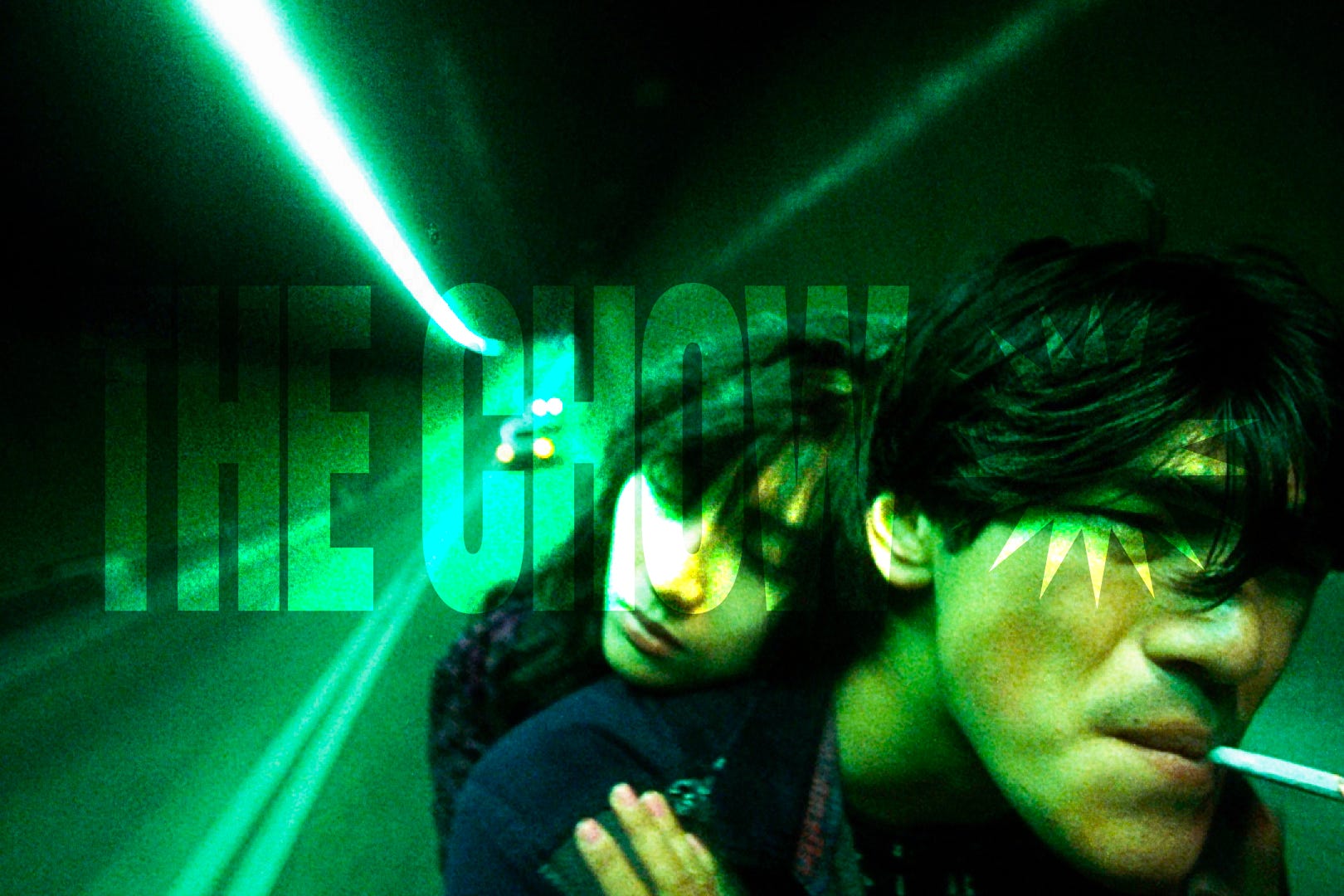
Much of Fallen Angels is really just ambient city background noise and music. But even when a character is speaking it’s seldom with another. Stitched together throughout the film are four internal monologues, overlaid over silence, of four people living in Hong Kong’s underbelly: a gun-for-hire; his blonde, ditzy girlfriend; his business partner who collects his trash and is secretly in love with him; and a mute, Taiwanese ex-convict with a talent for using camcorders. As the American film critic Stephen Holden wrote in The New York Times, “The movie feels as weightless as the tinny pop music that keeps its restless midnight ramblers darting around the city like electronic toy figures in a gaming arcade.” Some characters’ paths intersect, but for the most part they’re kept in isolation, mostly trapped in their own microcosms, all living alone in a big city. It’s the kind of problem that feels very characteristic to the 2020s. And the three-decades-old film’s focus on the interiority of each character makes the “loneliness crisis” much more legible than some stats or a Substack essay ever could.
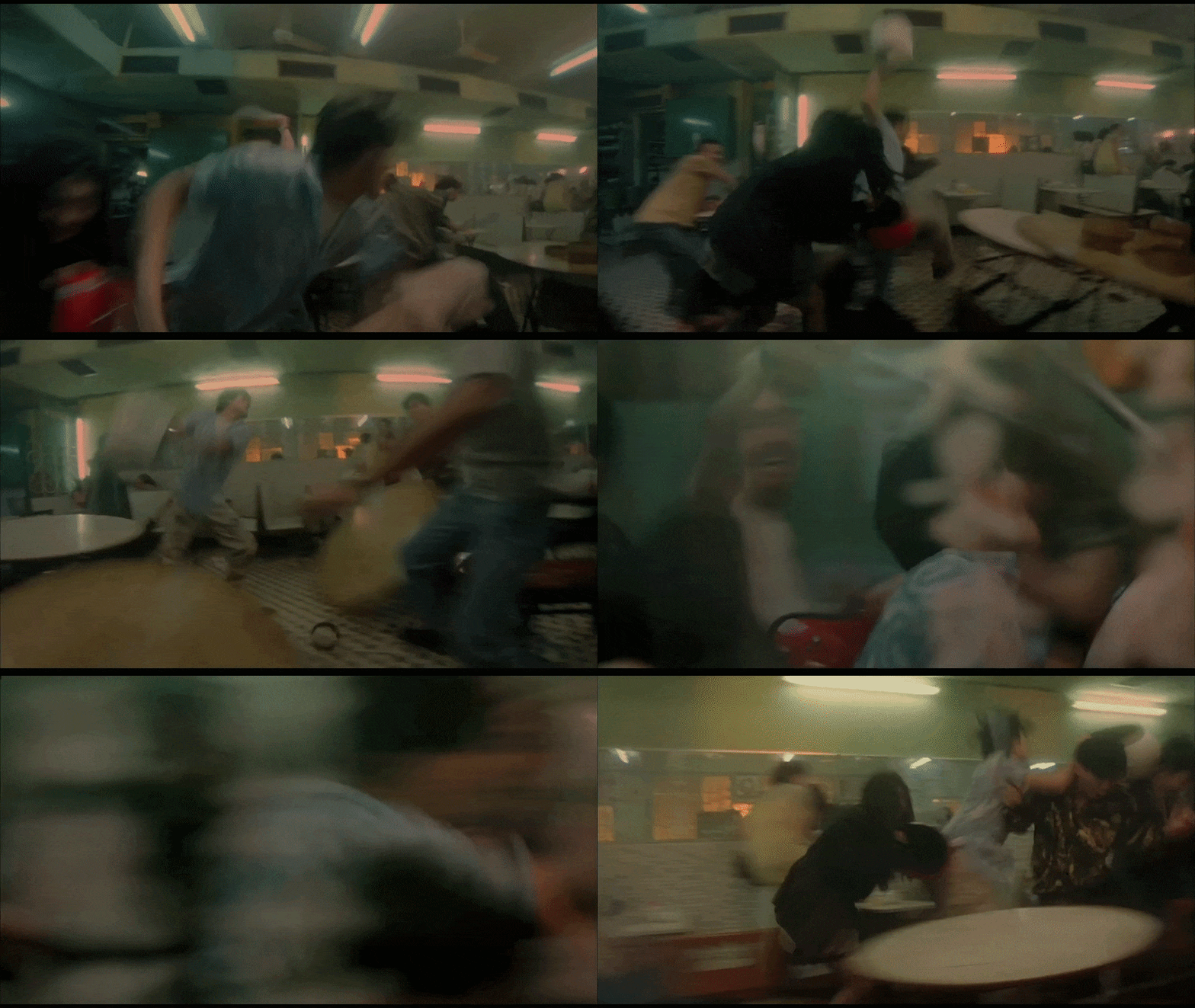
There is no singular, unifying plot, no linear narrative throughout the Fallen Angels’ 90-minute runtime. In absence of this, time in film moves less forward and more circular. Less like an arrow and much more like a disk on a DJ booth, progressing clockwise but at times jolting back and forth under Wong’s behest, as frame rates throughout Fallen Angels rapidly rise and fall—switching in and out of blurry shots and back into the standard thirty frames per second. It’s chaos slowed down, but not enough for the eye to fully register everything.
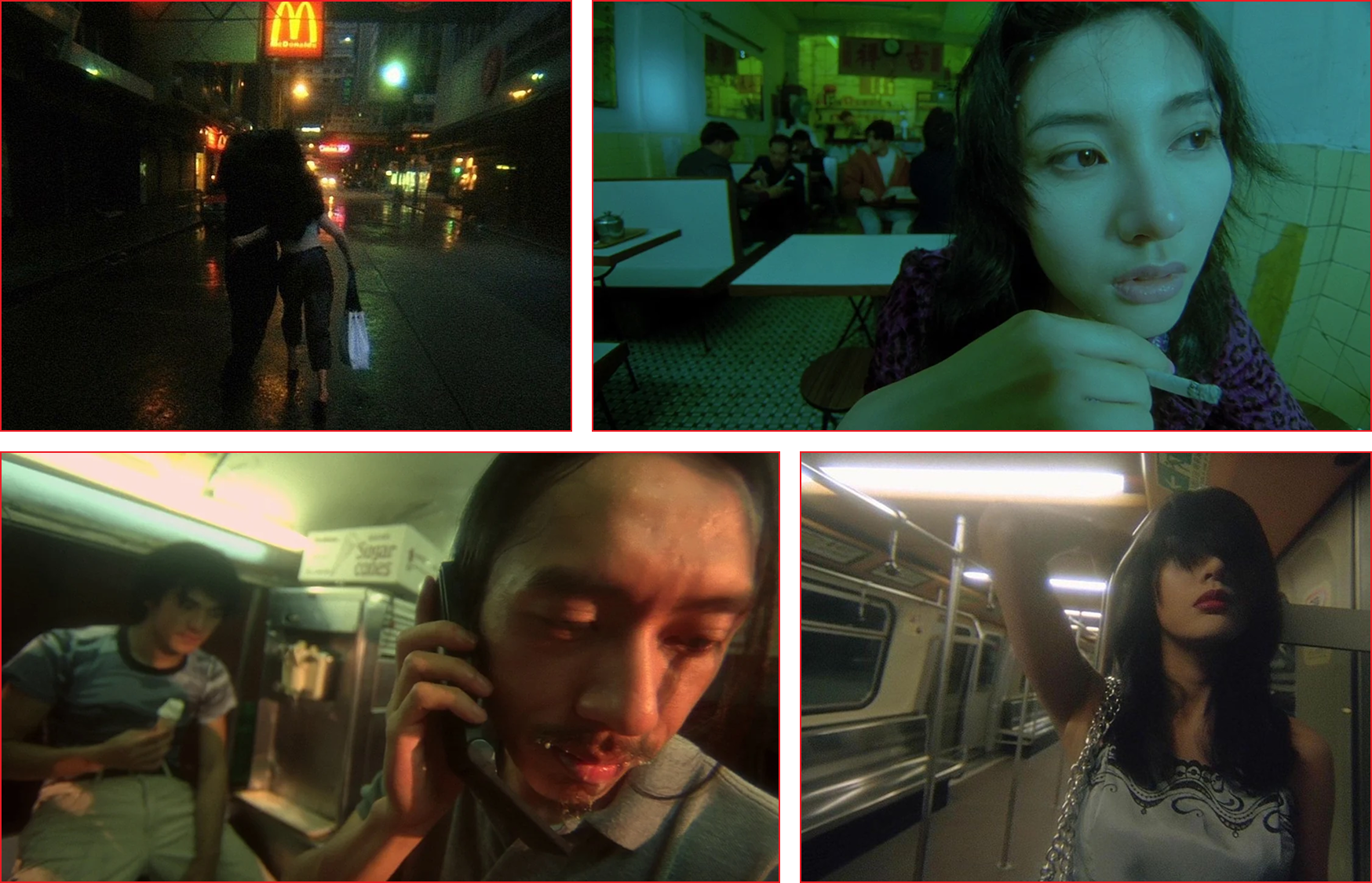
All of Fallen Angels takes place at night. Characters pace around a city colored in a blue-green tint or in underground spaces dressed in fluorescent lighting. Perpetual darkness and aversion to linear time perhaps helped Wong articulate the liminality eclipsing a city in transformation—after all, Hong Kong was due to transform from British colony to Special Administrative Region of China just a few years after the film was released. But I imagine these techniques also capture a world much like our own, suspended in the present and haunted by lost futures.
As the late philosopher Mark Fisher once argued in Film Quarterly, society has lost “the capacity to conceive of a world radically different from the one in which we currently live.” At the time of writing in 2012, he was talking about stagnating creativity in electronic music, but look at politics and culture and his words feel even more relevant today. The idea that the world would slowly march towards universal humanist progress is long gone by now, while today’s mass culture—driven by algorithms, performance metrics, and AI—grows increasingly derivative and decreasingly original.
Perhaps the affective experience of living in an atomizing time-freeze is best put by the hitman in Fallen Angels. Describing his targets, he says, “I do not know who these people are and I do not care. Soon they will be history.”
But all the prescience of Fallen Angels might make a little more sense once you consider how impactful it was on futurist aesthetic movements at the turn of the millennium.
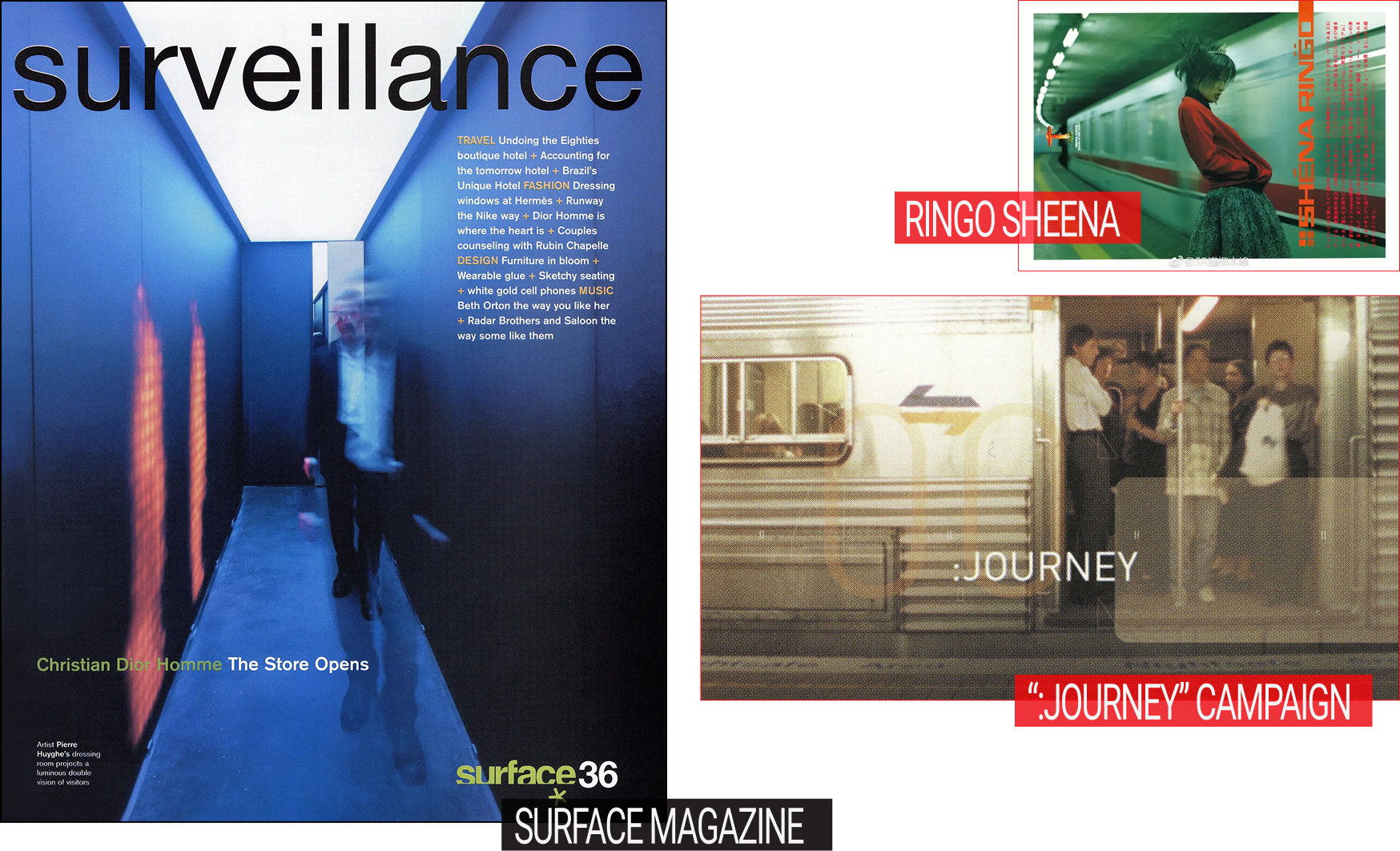
There is an entire genre of forward-looking advertisements and fashion editorials from the late ‘90s and early ‘00s that seem to follow Wong’s style. A cover for the Surface design magazine features a luminous dressing room project by artist Pierre Huyghe, accompanied by the same blue-colored tones and blurred photography captured mid-movement, not unlike the action scenes in Fallen Angels. Another fashion editorial featuring Japanese singer Ringo Sheena in a subway reappropriates Wong’s signature tinted blue-green, with the same hazy, fluorescent lights glowing in the background. Or alternatively, take the slightly-warmer, blurred shots taken inside a moving subway in one “:JOURNEY” campaign for (what the train logo indicates is) the Southeastern Pennsylvania Transportation Authority. Stylistically, it’s very similar to early scenes in Fallen Angels, where characters walk through dimly-lit tunnels in Hong Kong MTR stations.
“Blur as genre” is how one essay on Artforum describes Wong Kar-wai’s body of work, but you can make a similar statement about this aesthetic of hazy mid-movement shots, tinted in green-ish (or anything ranging from lime yellow to blue) with a generous amount of fuzzy background lighting. Early digital camera sensors were more sensitive to blue light, which meant that the tones of this aesthetic leaned cooler. And combine that with their limited autofocus and low-resolution sensors, and you get an aesthetic that certain corners of the internet describe as “Gen X Soft Club.”
This visual language emerged at the turn of the millennium, and was often found in the electronic music that, back then, was slowly being subsumed into the mainstream. Ergo: “soft club”—as a more palatable, mainstream version of what the ‘80s rave scene offered. Songs like Björk’s “army of me” and Madonna’s “Ray of Light” brought rave-like sounds into FM radio, and much like Fallen Angels, their music videos shared similar cool dark tones, dizzying cities captured in a blur, with plenty of fluorescent backlighting.
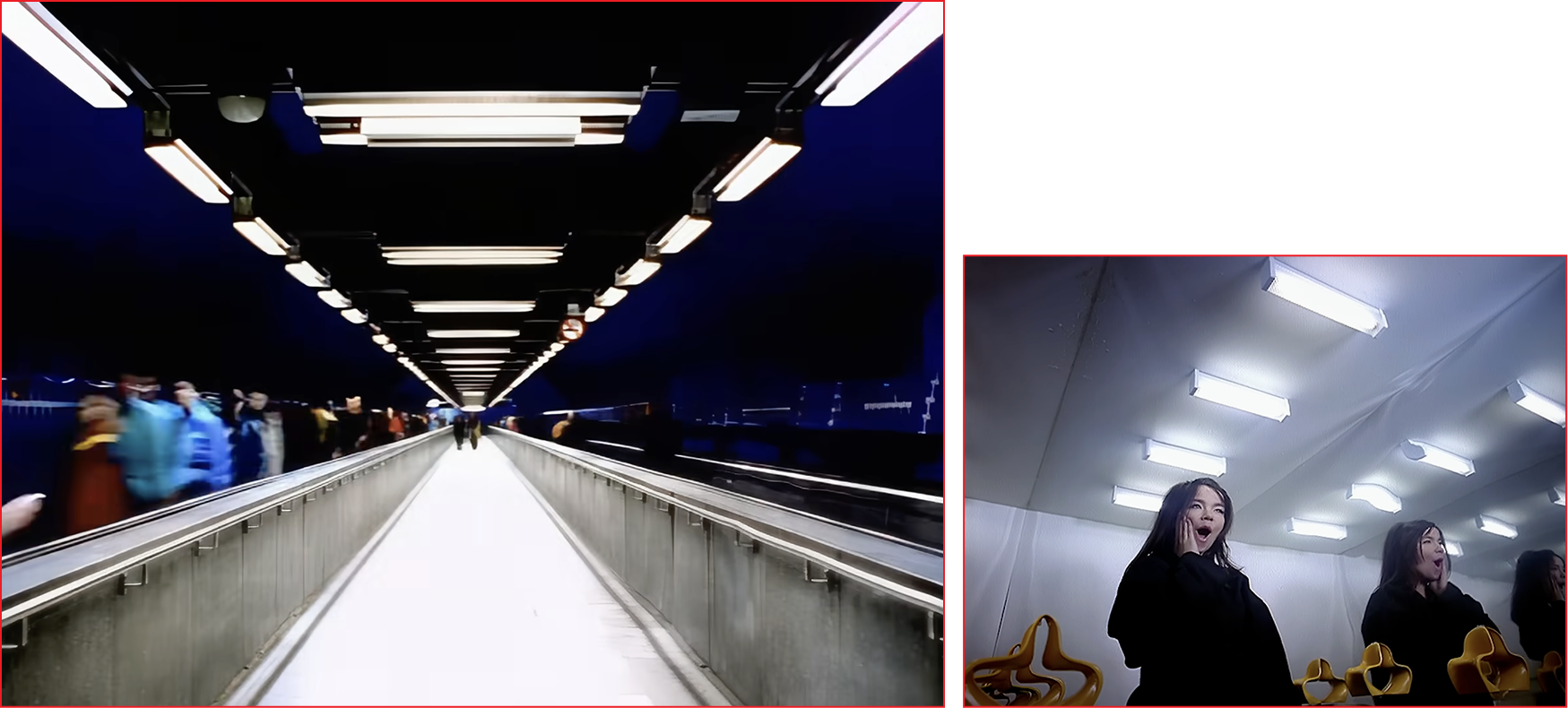
All the blue made “Gen X Soft Club” feel futuristic: cool tones evoked the sky, the sea, and a machine-like scale all at once, which, as the designer Mike Sunday says, created a “breathable future that’s not so distant, but just outside of our reach.”
The aesthetic is, according to Mike Sunday, to lists on Aesthetics Wiki and IMDB, and to the archivists on Facebook who first coined the moniker “Gen X Soft Club,” heavily influenced by Wong Kar-wai. All point to films like Fallen Angels, as well as Chungking Express and Happy Together released in the same decade, as some of the aesthetic’s antecedents. In some blurry stills from Chungking Express, where a lone character is set against a city in a frenzy, or in the music videos of Björk and Madonna, or in the fashion editorials too, you can sense some shared anxiety towards the problems of hypermodernity—the alienation in big cities, or late capitalism’s demands for speed.
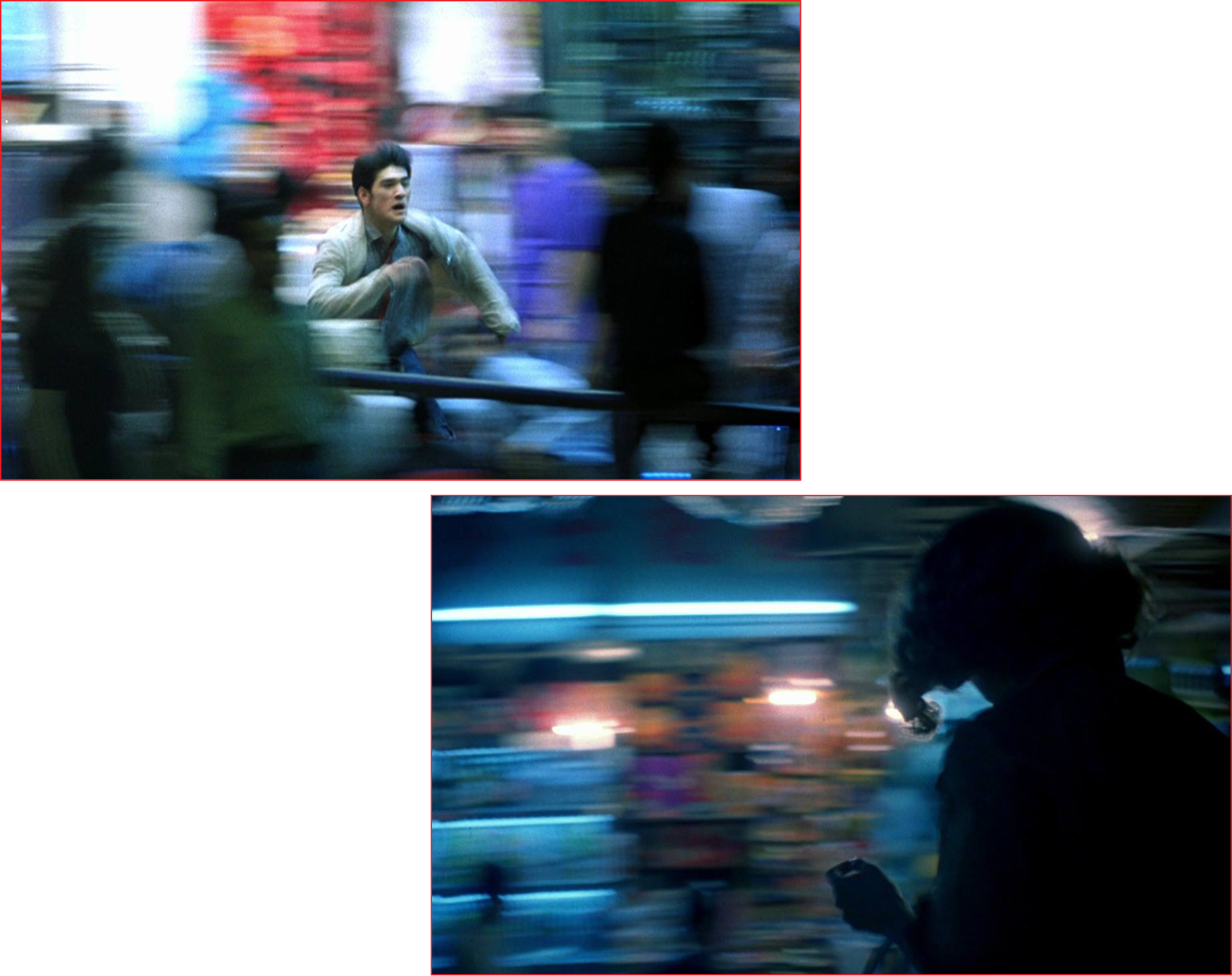
But in 2026, all of this is somehow viewed romantically. According to a few netizens online, “Gen X Soft Club” was one of the last few times mankind was able to envision a future that was new—even if it was built on the anxieties of its time. As trend researcher Sloane Angel Hilton notes, “Gen X Soft Club” was more terrestrial: “Its futurism was a mix of sterile and organic,” in a way, narrating the creep of urban life, high-tech, and late capitalism onto human societies. “[It depicted] city life through a colonialist lens. First wave gentrification… Urban life influenced graphic design.”
“Soft Club” was not so much a repackaging of old cultural movements—as Y2K fashion repackaged disco—but more so the kind that still inspired wonder and pushed our gazes forward: “We can still create this future,” one user on Instagram writes; another quips on Reddit, “They took so much from us.”
Why does this aesthetic resonate so much today? Examining today with hindsight, perhaps this vision feels futuristic and speaks to many because we’re now beginning to unpack the anxieties they once foresaw. In mixing the “sterile” with the “organic,” new tech and capitalism continued to encroach towards us, but humanity was never threatened. We still remained at the center.
But perhaps the biggest lesson that “Gen X Soft Club” might offer is for us to reconsider what even counts as a future. Something can be paradoxically bound to its time—as Fallen Angels was to the ‘90s—while simultaneously serving as a blueprint for what looms ahead. Wong Kar-wai’s films are not “futuristic” or “modern” in the sense that there’s aliens, high-tech, or an end-of-the-world-level plot. But with style and narration, their vision of the world ahead comes by depicting problems of the present that, as the world accelerates, only become more relevant in the near future.

The observation that Gen X Soft Club is now viewed romantically is the most quietly devastating part of the piece. There's something vertiginous about the fact that an aesthetic born from anxiety about the future is now mourned as the last time we could imagine one.
Okay now that I’ve actually read the article: I think I never really noticed the overlap before,,, this feels like a new perspective. For me, Wong Kar-Wai’s blur and saturated primaries feel nostalgic, almost memory-like, but also full of unease and loneliness. Futuristic palettes, on the other hand, often use blur and neon to emphasize futurity itself. Both capture estrangement, but I wonder if part of the reason why Wong Kar-Wai's films feel like they capture the human condition in modern times is because they make isolation seem more sentimental(?), real(?) (as opposed to futuristic sterility because of cooler tones).